No. 053
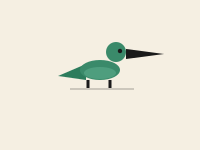
Bee Hummingbird
Mellisuga helenae
吸蜜蜂鸟
- Scientific name
- Mellisuga helenae
- Order
- Apodiformes
- Family
- Trochilidae
- Length
- 5–6 cm
- Wingspan
- 6–7 cm
- Habitat
- dense scrub, forest edge, mountain valleys and gardens
- Range
- endemic to Cuba
- Diet
- nectar, tiny insects and spiders
Identification
At 5.7 cm and 1.6–2 g, the Bee Hummingbird is the smallest living bird — lighter than many bumblebees. The male's head and throat form one continuous sheet of iridescent rose-red, with scattered blue spangles over the wings and back, and the colour flips from red to blue as he turns. Females are blue-green above and pale grey below with no red at all and white tips to the outer tail feathers. Size alone misleads in the field, since large moths and bees are everywhere; the giveaway is posture — a hummingbird hovers bolt upright, which no insect does.
The wings beat around 80 times a second and the heart can exceed 1,200 beats a minute, among the highest metabolic rates measured in any bird. It takes nectar from a modest set of flowering plants and hunts tiny insects and spiders, which make up most of the diet of a growing chick. Despite the size it is fiercely territorial, chasing hummingbirds several times its weight out of a flower patch. In display the male swings back and forth in front of a perched female while the iridescence on his head flickers red, then blue, then red again.
The species is endemic to Cuba and is most often found in dense scrub, forest edge, mountain valleys and gardens, with strongholds around the Zapata Swamp and in the western mountains. The nest is the size of a thumbnail, built from moss, lichen and spider silk, holding two eggs and tended by the female alone. Habitat loss has pushed it to Near Threatened, so keep your distance and never approach an active nest.
Voice
a high, thin, squeaky twittering