No. 023
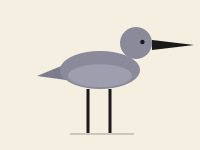
Grey Heron
Ardea cinerea
苍鹭
- Scientific name
- Ardea cinerea
- Order
- Pelecaniformes
- Family
- Ardeidae
- Length
- 84–102 cm
- Wingspan
- 155–195 cm
- Habitat
- rivers, ponds, canals, marshes, estuaries, farmland ditches
- Range
- Europe, Asia, Africa; resident or short-distance migrant
- Diet
- fish, frogs, small mammals, insects, ducklings
Identification
A tall, stately heron, 84–102 cm long, with a long neck usually held in a loose S, long yellowish legs and a heavy dagger of a bill. Adults are soft blue-grey above with a white head and neck, a black streak running from behind the eye to the back of the crown, and black shoulder patches on the folded wing. In flight the neck is pulled back into a tight 'Z' and the legs trail behind — unlike cranes, which fly with the neck outstretched. Juveniles have a grey crown and lack the crisp black head plume.
Grey Herons hunt by standing motionless in shallow water, then striking with a fast, straight thrust of the head to seize fish, frogs, small mammals and even ducklings; they also stalk slowly through wet grass after voles. They nest colonially in tall trees, sometimes dozens of untidy stick platforms in a single heronry, and return to the same site year after year. The call is a harsh, far-carrying 'fraaank', given mostly in flight or around the nest.
Almost any water will do: rivers, ponds, canals, ditches, garden fishponds and the sea shore. They are easiest to watch at first light, standing hunched at the water's edge, and in the hour before dusk as they move to roosts. Visiting a heronry in late winter, before the leaves come out, is the best way to see the full display, with birds throwing their heads back and clattering their bills.
Voice
a harsh, rasping 'fraaank', mostly in flight